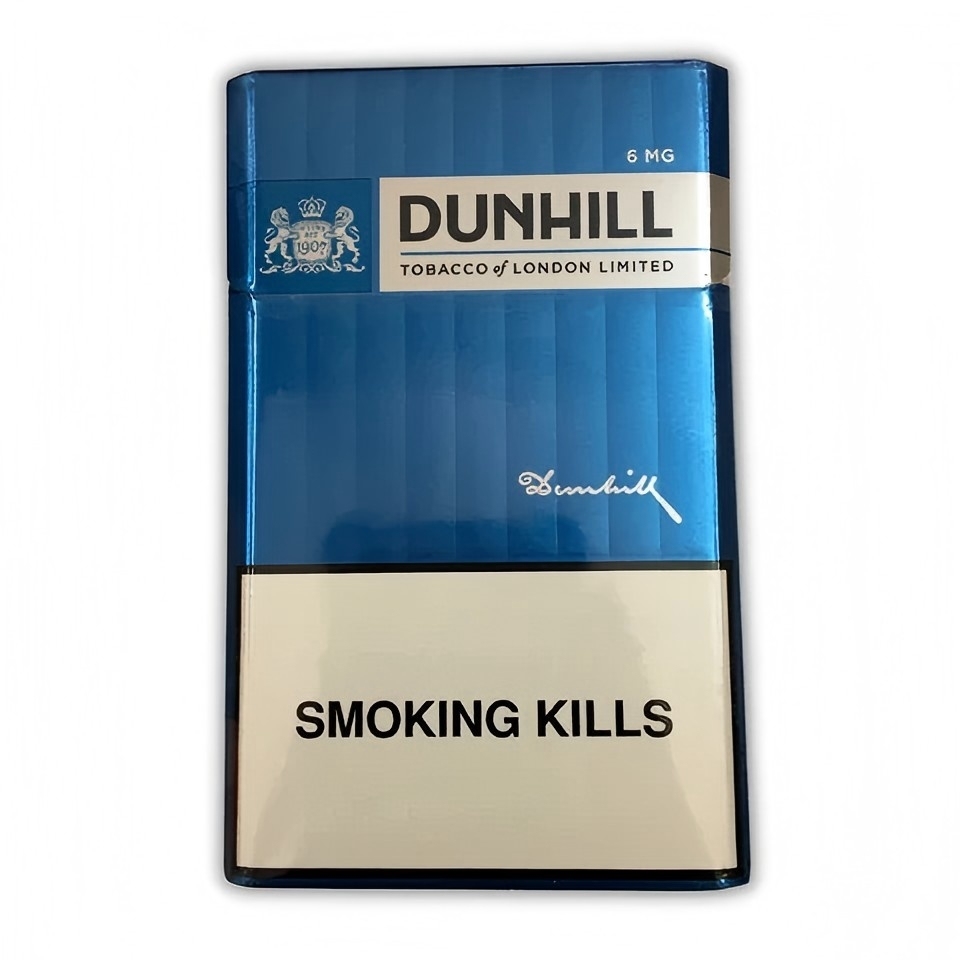
SKU stands for stock keeping unit, and on Zavorax it is the short code that identifies one exact cigarette carton listing. Every live product page in the Zavorax catalogue displays a SKU such as SS-386, and the site’s contact, returns and terms pages ask customers to quote the code so an enquiry or return can be matched to the correct record. This guide is for Australian adults aged 18 and over; it explains what the SKU means on a cigarette carton listing and how to use it before ordering. It makes no health claims and does not encourage anyone to start smoking. Tobacco contains nicotine, which is addictive, and smoking causes serious health risks.
What does SKU mean on a cigarette carton listing?
SKU means stock keeping unit — a retailer’s code for a specific product record. On a cigarette carton listing the SKU is not the brand name, the price or the stock level; it is the identity code that distinguishes one record from another. Zavorax SKUs use an SS-XXXX format: for example, Dunhill Blue 6mg Cigarettes – 1 Carton (10 Packs) is SS-386, while Dunhill Red 6mg Cigarettes – 1 Carton (10 Packs) is SS-372.
The code matters because several listings can look similar. The live catalogue currently contains 28 carton records, and Manchester alone has nine listings with colour or edition wording such as Sapphire Blue, Reserve and Special Edition Blue. Quoting the complete name together with the SKU lets you match the exact record you mean.
Where to find the listing code on a Zavorax product page
Open any product page from the shop and the listing code appears with the product details, together with the current AUD price and a live stock indicator. Check the complete product name alongside the code: the full name states the brand, variant and sale unit (one carton containing 10 packs), and the code such as SS-386 confirms which record the page describes.
Why the code matters when you contact support
Zavorax’s contact guidance asks customers to include the exact product name and SKU for a product enquiry, and the order number plus the email used at checkout for an order enquiry. The Returns and Refunds page asks for the order number, exact product name or SKU, and a concise description when an order arrives damaged, faulty, incomplete or different from the confirmed record. The Terms and Conditions state that product names, SKUs, images, prices and stock indicators are provided to identify live catalogue records.
How to use the code before you order
- Open the product page and read the complete listing name rather than a shortened brand name.
- Match the code (for example SS-386) with the exact record you intend to order.
- Confirm the sale unit is one carton containing 10 packs.
- Recheck the current AUD price and stock indicator because those are live fields that can change.
- If the page differs from a saved note or screenshot, describe the difference and quote the code instead of assuming the product changed.
Code vs product name vs price and stock
The product name and the code sit on the identity side of a listing: they define which record it is. Price, stock, image and delivery eligibility are live conditions that can change while the code stays the same. Two Manchester records show why this distinction matters: Manchester Sapphire Blue Cigarettes is SS-196 and Manchester Special Edition Blue Cigarettes is SS-191 — similar wording, different codes. A price change on either record does not turn it into the other product.
Frequently asked questions
Is the listing code the same as the product name?
No. The product name is a readable description such as Dunhill Blue 6mg Cigarettes – 1 Carton (10 Packs); the code such as SS-386 identifies that exact record.
Do two listings ever share the same code?
Each live Zavorax record has its own SKU. Listings with similar names, such as the two Manchester blue records, carry different codes (SS-196 and SS-191).
Where do I find the code for an order I already placed?
Use your order confirmation as the record of what was submitted, and quote the order number together with the exact product name or SKU when you contact support.
Adult notice: this guide is for Australian adults aged 18 or older. Tobacco products contain nicotine, which is addictive, and smoking causes serious health risks. Nothing in this article is a health claim or a recommendation to smoke.